
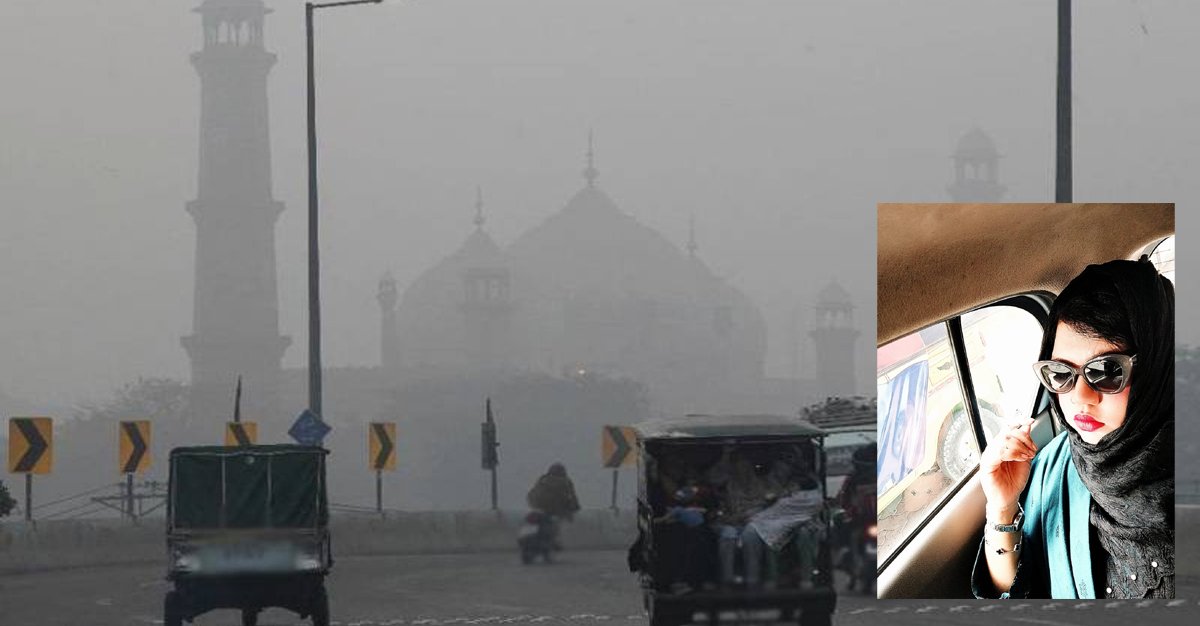
By Dr. Madiha Batool — Year after year, Pakistan’s cultural capital finds itself at the epicenter of a severe environmental crisis. As winter approaches and heavy smog settles over the plains, Lahore frequently tops global air quality indices, with Air Quality Index (AQI) levels soaring well into hazardous zones.
For millions of residents, the thick, yellowish-grey haze is a grim annual reality that limits visibility, grounds flights, and strains healthcare systems. But what are the core drivers turning this historic city into a gas chamber?
The Primary Culprits Behind Lahore’s Pollution Crisis
Environmental experts and meteorological data point to a toxic mix of human-made activities and seasonal geographical factors.
1. Massive Vehicular Emissions
- Traffic Overload: Millions of vehicles—ranging from aging, poorly tuned cars and smoke-belching commercial trucks to a massive fleet of motorcycles—flood Lahore’s roads daily.
- Low-Quality Fuel: The widespread use of substandard diesel and petrol with high sulfur content significantly increases toxic particulate matter (PM2.5) emissions.
2. Unregulated Industrial Activity
- Factories and Steel Mills: Numerous industrial units, brick kilns, and steel re-rolling mills operate within and around the city limits.
- Lack of Scrubbers: Many of these facilities fail to install modern emission-control scrubbers or use cheap, hazardous fuels like rubber, plastic, and low-grade coal to cut costs.
3. Seasonal Crop Stubble Burning
- Agricultural Clearing: Ahead of the winter crop planting season, farmers in the wider Punjab region often resort to clearing land by setting fire to leftover rice stubble and crop residue.
- Regional Spillovers: This practice, combined with cross-border agricultural burning, releases massive plumes of smoke that travel across the plains and settle directly over urban centers like Lahore.
4. Rapid Urbanization and Construction Dust
- Loss of Green Cover: Decades of rapid, unplanned urban expansion have replaced historic gardens and massive tracts of trees with concrete jungles, asphalt, and high-rises.
- Unregulated Construction: Ongoing mega-projects and private construction generate enormous quantities of airborne dust particles that remain suspended in the dry air.
5. Geographical and Meteorological Traps
- Temperature Inversion: During late autumn and winter, colder air gets trapped beneath a layer of warmer air, acting like a lid over the city.
- Calm Winds: Stagnant weather patterns, near-zero wind speeds, and high humidity prevent pollutants from dispersing, locking a dense blanket of smog close to the ground.
A Public Health Emergency
The human cost of this prolonged environmental neglect is staggering. Local hospitals routinely report spikes in patients suffering from acute respiratory infections, severe asthma attacks, eye irritation, cardiovascular complications, and strokes. Vulnerable groups, particularly children and the elderly, bear the heaviest burden, prompting authorities to occasionally enforce emergency school closures and business restrictions.
The Way Forward
Environmentalists emphasize that tackling Lahore’s air pollution crisis requires long-term, structural policy enforcement rather than temporary band-aids. Key solutions include transitioning to cleaner fuel standards, expanding mass public transit networks to reduce private car dependency, enforcing strict industrial emission controls, and supporting farmers with modern, eco-friendly alternatives to stubble burning.
Without aggressive, cross-sector interventions, Lahore risks remaining trapped in a cycle of toxic air for generations to come.